Researchers at the University of Málaga (UMA), Spain have developed an AI-based method to produce green hydrogen from wastewater which makes the process more efficient and long-lasting. By applying machine learning to dark fermentation, the team reduces costs and conserves drinking water while supporting global decarbonization goals.
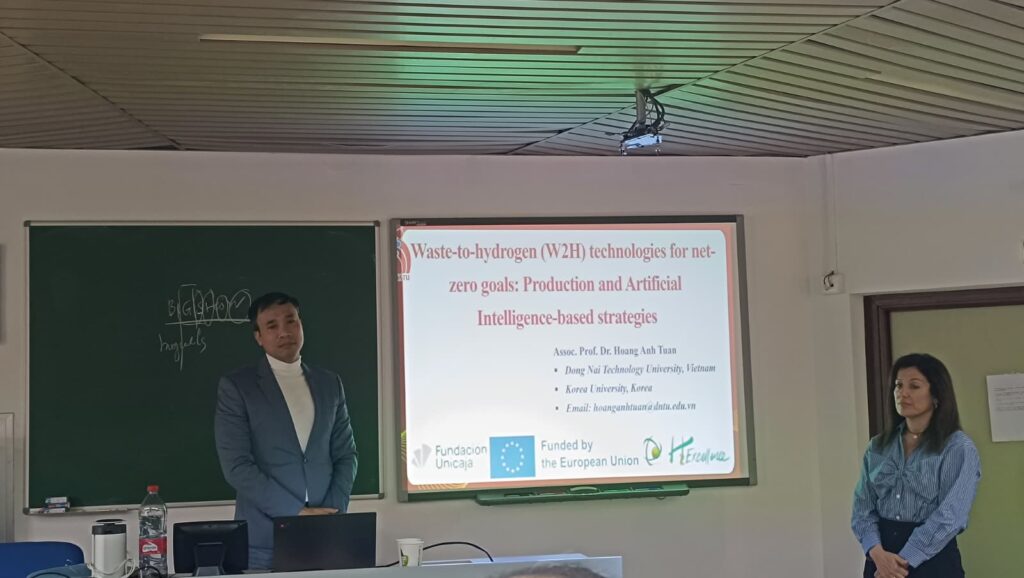
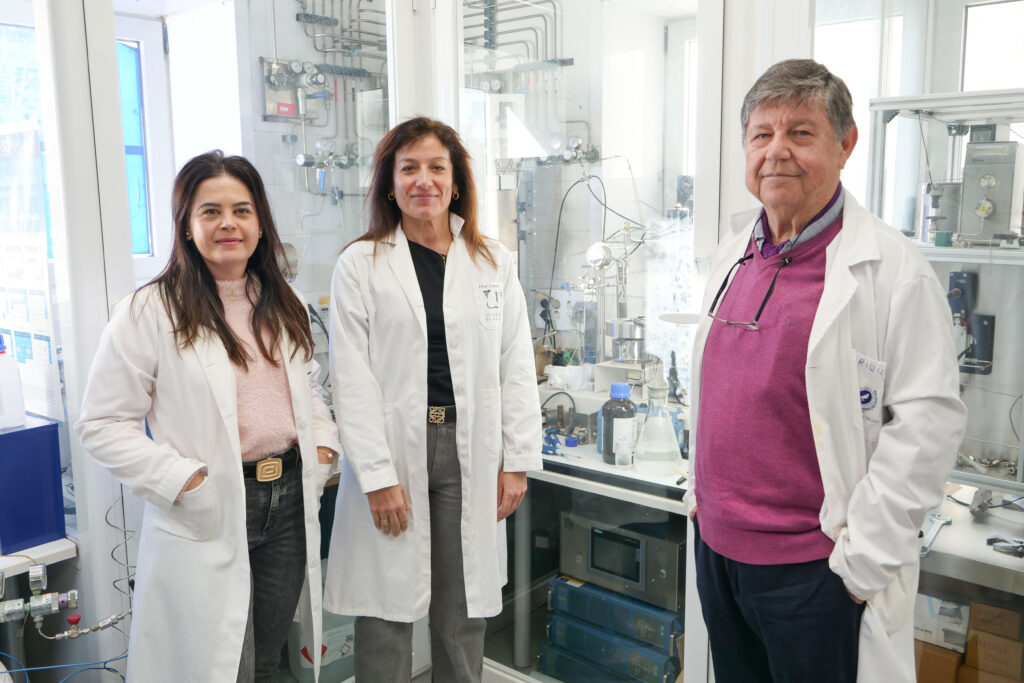
The study involved an international team: UMA scientists Enrique Rodríguez Castellón, M. Olga Guerrero-Pérez, and María Cruz López-Escalante, alongside other scientists from Vietnam (Anh Tuan Hoang, Van Nhanh Nguyen, Xuan Phuong Nguyen), India (Prabhu Paramasivam), South Korea and Taiwan (Wei‑Hsin Chen). Their work demonstrates how AI can optimize key parameters for hydrogen generation.
The project received funding from ACOSOL, Fundación Unicaja, and Spain’s State Research Agency, with additional support acknowledged from our project, H2Excellence. The findings are published in Energy under the title “Turning waste into energy: Application of machine learning and explainable artificial intelligence for determining key factors in wastewater-to-hydrogen conversion.” Read more here. The article related to the results is also available at the University of Malaga’s site here.
This breakthrough shows how wastewater can become a valuable resource for clean energy, paving the way for industrial-scale hydrogen production.